The Importance of Routine Home Inspections
· Vital Property Inspections
THE IMPORTANCE OF ROUTINE HOME INSPECTIONS
As your body ages, regular doctor’s appointments keep your health in check –– ensuring ailments are caught early and can be treated. Homes operate similarly to our bodies, undergoing wear and tear as our families grow within them.
Routine home inspections are a “VITAL” (see what I did there?) part of responsible homeownership. They involve a thorough assessment of your property's condition, ensuring that the space remains a safe and valuable place for you and your family. This article delves into the significance of routine home inspections, what they encompass, how often you should schedule them, and essential tips to make the most of these inspections. By the end, you'll understand why prioritizing regular home inspections is crucial for not only the health and well-being of your family, but also for maintaining your home and investment.
The Purpose of an Annual Home Inspection
A home inspection is a comprehensive evaluation of your property's physical condition, systems, and components. It's like a health check-up for your home, aiming to identify any potential issues or hazards. Getting frequent home inspections can contribute to significant cost savings –– Americans spend an average of $6,000 or more on emergency repairs and maintenance.
Home inspection services are just as essential for homeowners as they are for home buyers.
- Safety Assurance: Routine home inspections ensure that your home remains a safe living environment for your family by uncovering hidden hazards.
- Early Detection: Detecting small issues before they become big problems can save you from costly repairs down the road. Routine inspections help identify and address problems before they get worse and more expensive.
- Home Value Preservation: Regular inspections and maintenance can help maintain and could even increase your home's value over time.
- Peace of Mind: Knowing your home is in good shape offers peace of mind, allowing you to focus on enjoying your space without worrying about unexpected problems.
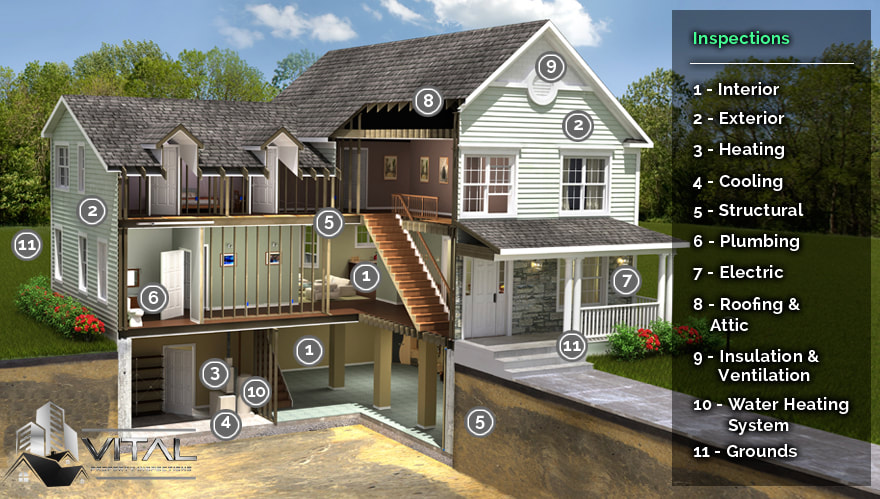
At Vital Property Inspections, our annual Home Maintenance Inspections provide a detailed and comprehensive report to homeowners on key systems like roof and exterior, plumbing and HVAC, structural and electrical. We put safety first to help protect you and your family from hazards that may go unnoticed to an untrained eye.
Here are some of the most important reasons why a routine home inspection is necessary:
1. Identifying Safety Concerns
We check for safety concerns like fire, electrical, trip and fall hazards, addressing these issues can help enhance your family's safety and comfort.
2. Protecting Your Investment
Regular inspections help preserve and increase the value of your property. Early problem detection and timely maintenance can reduce the risk of serious damage and prevent major expenses, ultimately saving you money.
3. Building a Maintenance Plan
We provide valuable, unbiased advice on maintenance tasks and improvements that can enhance your home's safety and longevity.
4. Building Peace of Mind
Knowing that your home is in good condition and free from hidden issues provides peace of mind, allowing you to enjoy your living space without worrying about unexpected problems lurking in the background.
What Should Be Included in a Routine Home Inspection
1. Comprehensive Assessment of Structural Elements
A routine home inspection should include a thorough evaluation of your property's structural components, including the foundation, walls, roof, and load-bearing elements. Any issues in these areas can have serious consequences if left unaddressed.
2. Evaluation of Electrical Systems
We assess the electrical wiring, outlets, panels, as well as safety measures to ensure your home meets electrical safety standards. This can help prevent electrical hazards and fires.
3. Examination of Plumbing and HVAC Systems
Plumbing and HVAC systems play a crucial role in your home's comfort. We can identify leaks, inefficiencies, and safety concerns, ensuring these systems function optimally.
4. Inspection of Unseen Areas Like Roof and Attic
Areas of our homes, such as the roof, attic, basement, and crawlspace, often get overlooked. They can be difficult to access and or not frequently visited. A proper inspection of these areas is essential to detect leaks, mold growth, or structural damage. This can help prevent interior damage and costly repairs.
5. Visual Assessment of Exterior and Interior Components
We assess the condition of exterior elements including the siding, windows, doors, roofs and chimneys, as well as interior components including walls, ceilings, floors, and appliances. This evaluation helps ensure your home remains safe and functional.
The Home Inspection Routine
The frequency of routine home inspections can vary depending on several factors, including the age and condition of your home. Generally, we advise having an inspection:
- Annually: For all homes in our region due to extreme weather conditions and changes.
- Before Selling or Buying: If you're considering selling or purchasing a property can save a lot of time and headaches during the transaction.
DIY vs. Professional Inspections
While some homeowners may opt for DIY inspections, having your home inspected by a professional offers several advantages. Most importantly, it can be difficult to take an objective approach to inspecting your home, so having an outside perspective can provide you with valuable insights.
- Expertise: We are trained to identify issues that homeowners might overlook.
- Objectivity: We provide an unbiased assessment, essential for homeowners who have lived in their home comfortably for many years.
- Comprehensive Reports: We deliver detailed reports outlining our findings and recommendations.
Following a routine home inspection checklist can help ensure a systematic and thorough assessment of your property. When considering who to hire as a home inspector, here are 10 key items you should ensure they include:
- Exterior: Do they check for cracks, damage, or wear on the siding, foundation, and roof? We do!
- Interior: Do they inspect walls, ceilings, floors, and windows for signs of damage or wear? We do!
- Electrical Systems: Do they test outlets, switches, and the circuit breaker panel for proper functioning? We do!
- Plumbing: Do they look for leaks, dripping faucets, and water pressure issues? We do!
- HVAC Systems: Do they check the heating and cooling systems, including filters and ductwork along with thermal imaging? We do!
- Roof and Attic: Do they inspect the roof for damaged shingles and examine the attic for signs of leaks, pests, and insulation problems? We do!
- Appliances: Do they ensure all appliances are in working order? We do!
- Safety Features: Do they test all smoke detectors and carbon monoxide detectors? We do!
- Pests: Do they look for evidence of pest burrowing that could threaten home infrastructure and stability? We do!
- Environmental Hazards: Can they test for radon? We do!
Routine Home Inspection Tips
To make the most of routine home inspections, here are some helpful tips:
- Plan Ahead: Schedule inspections well in advance to ensure availability and adequate preparation.
- Attend the Inspection: If possible, be present during the inspection to ask questions and gain a better understanding of your home's condition.
- Maintain Records: Keep a record of past inspections, repairs, and maintenance tasks for reference.
- Follow Up: After receiving the inspection report, promptly address any issues identified to prevent further damage.
- Budget Wisely: Set aside funds for the annual inspection, potential repairs, or upgrades that may arise from the inspection findings.
- Regular Maintenance: Conduct routine maintenance tasks between inspections to prevent issues from worsening, such as having your HVAC unit serviced annually.
- Consult Professionals: If major issues are discovered, consult with qualified and licensed professionals for repairs or renovations.
Buying, selling or have a question about your home?